

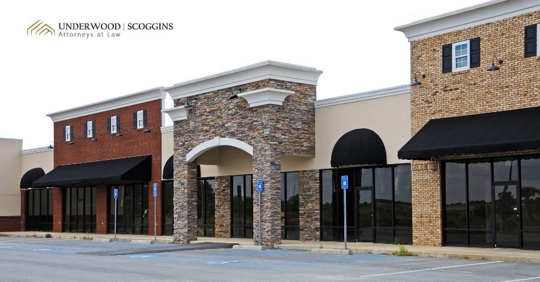
Commercial real estate is an investment in utility. But when market demands shift, a property’s current zoning classification can transform from an asset into a straitjacket. Whether you are looking to convert an underutilized retail strip into mixed-use housing or transition a quiet office space into a high-traffic logistical hub, the question isn't just if you can rezone—it is whether you have the strategy to force a favorable outcome.
In Georgia, rezoning commercial property is entirely possible, but it is a bureaucratic and legal battlefield. Local governments do not hand out zoning map amendments as favors; you must prove your case.
The Reality of Georgia Zoning Ordinances
Zoning boards and county commissions across North Georgia operate under highly restrictive local ordinances. Every municipality utilizes a comprehensive land use plan designed to dictate growth for decades. When you ask to change a commercial zoning designation, you are asking local officials to alter that blueprint.
To succeed, you must demonstrate that the current zoning is either causing significant economic hardship or that the proposed change aligns with the community's future economic health. Local authorities will scrutinize traffic impact, environmental infrastructure, and the potential disruption to neighboring properties. If you enter a public hearing relying on wishful thinking rather than hard data and precise legal arguments, your application will be denied, delaying your commercial objectives for months or even years.
Navigating the Rezoning Process: A Strategic Timeline
Rezoning is a strict, multi-step process that demands meticulous preparation before a single piece of paperwork is filed.
Pre-Application Review: Most Georgia jurisdictions require a preliminary meeting with planning staff. This is where you identify immediate logistical roadblocks—such as sewer capacity or road access issues—before your plans become public record.
The Application and Impact Studies: You will need to submit detailed site plans, architectural concepts, and comprehensive traffic and economic impact analyses. Inconsistencies or omissions here give local boards an easy excuse to table or reject your petition.
Community Engagement: Neighbors and local homeowners' associations (HOAs) frequently organize against commercial changes. An assertive strategy involves identifying opposition early and neutralizing their arguments before the public hearing phase.
Public Hearings: Your application will face a planning commission recommendation vote before heading to the county commission or city council for final action. These hearings are legal proceedings where a clear, data-driven legal presentation is non-negotiable.
Variances vs. Complete Rezoning
Property owners often confuse a complete zoning change with a zoning variance. If your intended business operations generally fit the current commercial classification but conflict with specific dimensional rules—such as setback lines, building height limitations, or parking space minimums—a variance is the appropriate legal remedy.
However, if you are attempting to change the actual use of the property—such as shifting from light commercial (C-1) to heavy industrial or high-density residential—a variance will not suffice. You must secure a complete zoning map amendment. Mistaking these two paths wastes capital and leaves your property exposed to local enforcement penalties.
Secure Your Commercial Advantage
Do not let bureaucratic inertia dictate the value of your commercial real estate investment. At Underwood Scoggins, we understand that zoning and land use law is about positioning your property for maximum market advantage. Our experienced real estate zoning litigation attorneys possess the hyper-local knowledge and assertive advocacy required to dismantle opposition and push your application through stubborn local boards. Protect your investment and secure your timeline.
Call Underwood Scoggins today at (762) 300-3484 or connect with us online to schedule an analytical consultation.